Microscopes
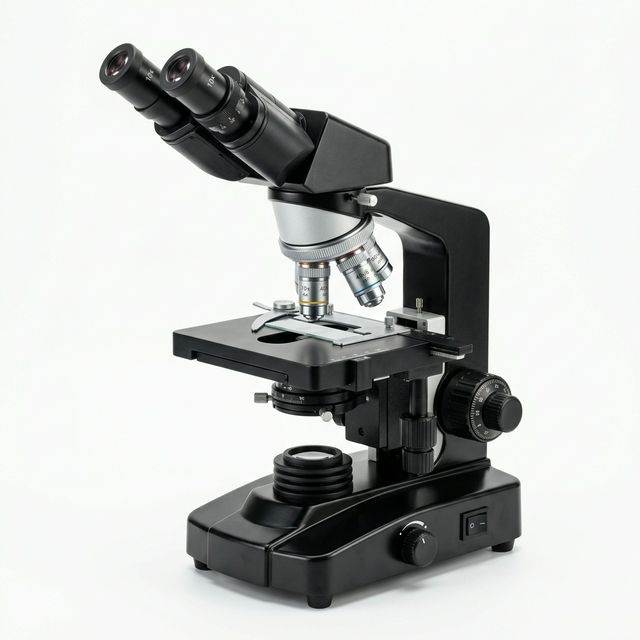
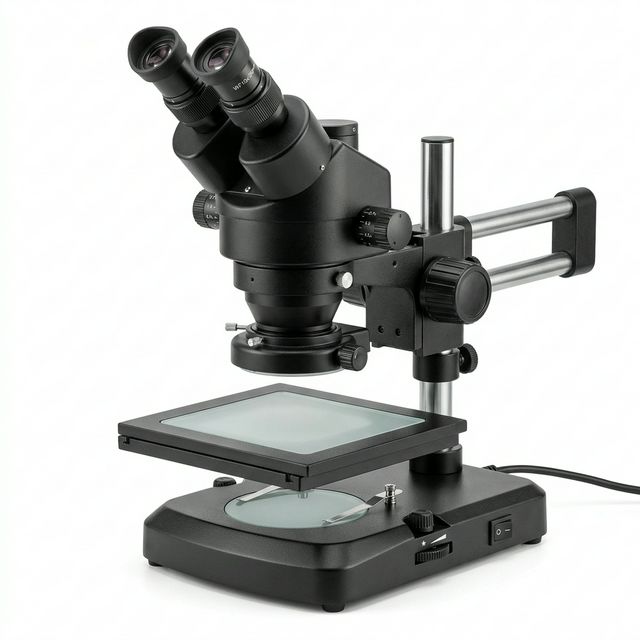
Laboratory microscopes for routine observation, teaching, and inspection. The category focuses on compound, stereo, and entry-level upright microscope configurations that are suitable for general lab, educational, and QC use.
Related Guides
Category FAQ
Common buying and handling questions for microscopes used in sourcing, routine lab setup, and application planning.
How should a lab choose the right microscope magnification range?
Start with the sample type and the level of detail you need to inspect. Low magnification suits large assemblies and sorting work, while higher magnification is needed for fine structures and documentation.
What is the practical difference between stereo and compound microscopes?
Stereo microscopes are better for larger three-dimensional samples and inspection work, while compound microscopes are designed for transmitted-light viewing of prepared slides and finer detail.
When does a microscope need a trinocular head or camera port?
Choose a trinocular or digital-ready setup when the workflow includes image capture, training records, reporting, or remote review in addition to visual observation.
How should slides and samples be prepared for routine microscope work?
Preparation depends on the application, but clean slides, stable sample placement, and consistent illumination are the basics for repeatable viewing and imaging.
What routine maintenance helps extend microscope life?
Keep optics dust-free, store the unit covered, avoid forcing focus controls, and verify light source and stage movement regularly so small issues do not become alignment problems.
Need Help Choosing?
Share your application and quantity targets and we will help you review the most relevant options.