Balances
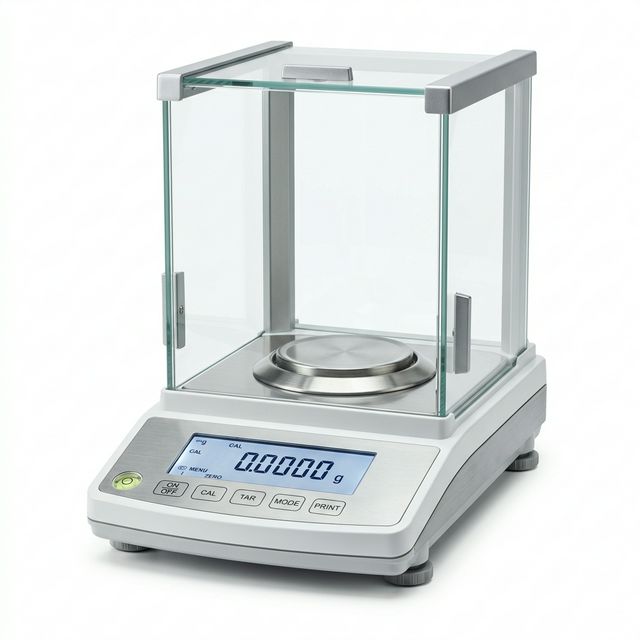
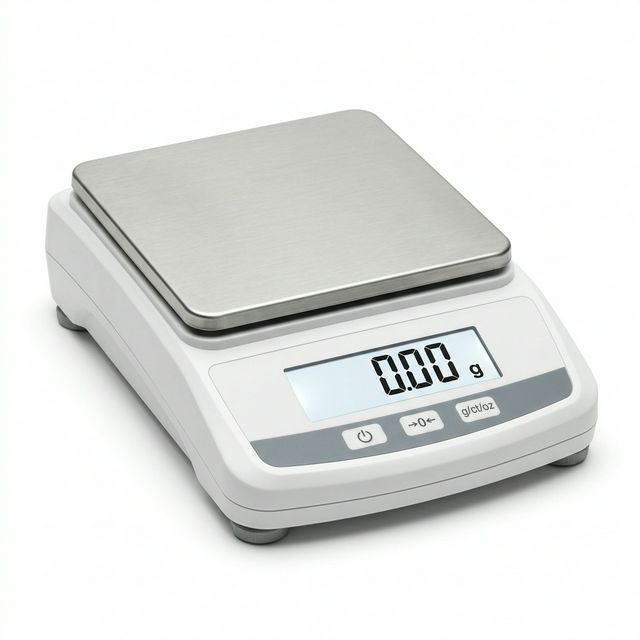
Laboratory balances for analytical weighing, routine bench work, and moisture analysis. Configurations are organized around capacity, readability, and weighing method so teams can compare options quickly for procurement and standardization.
Related Guides
Category FAQ
Common buying and handling questions for balances used in sourcing, routine lab setup, and application planning.
What is the difference between readability and accuracy on a laboratory balance?
Readability is the smallest displayed increment, while accuracy reflects how close the measured result is to the true mass under proper calibration and operating conditions.
When should a lab choose an analytical balance instead of a top-loading balance?
Analytical balances are preferred when the method needs finer resolution and draft protection. Top-loading balances are usually more suitable for higher-capacity routine weighing tasks.
How often should balances be calibrated or verified?
Verification schedules depend on method risk, internal SOPs, and regulatory expectations. Critical weighing workflows often check performance daily and perform fuller calibration on a routine schedule.
What environmental factors affect balance performance?
Airflow, vibration, unstable benches, static electricity, and temperature swings can all affect balance stability, especially at finer readability levels.
What does GLP-oriented balance support usually refer to?
It usually refers to features such as user traceability, calibration records, date and time stamps, or export options that help labs document weighing activity in controlled workflows.
Need Help Choosing?
Share your application and quantity targets and we will help you review the most relevant options.