Glassware
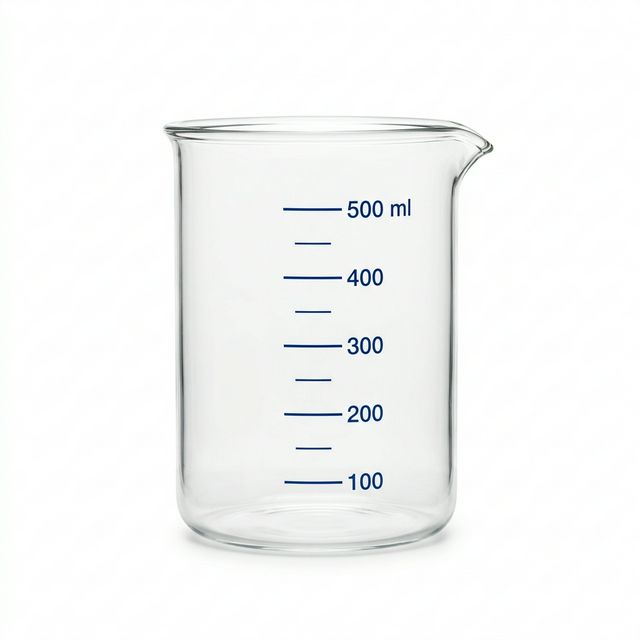
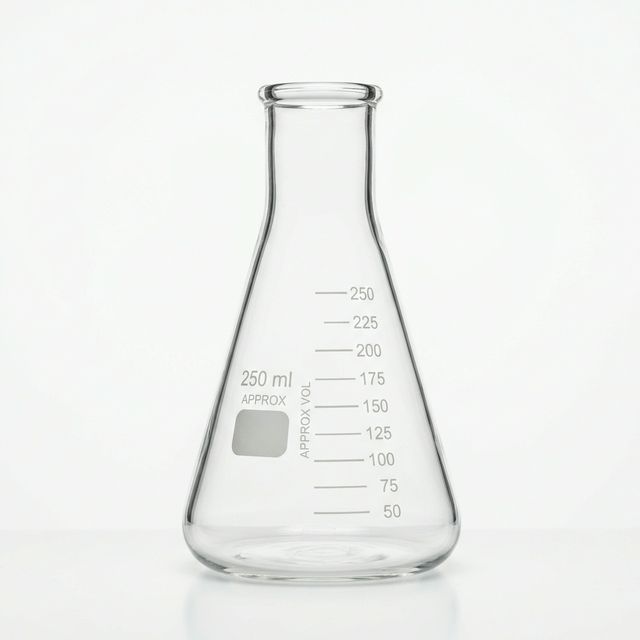
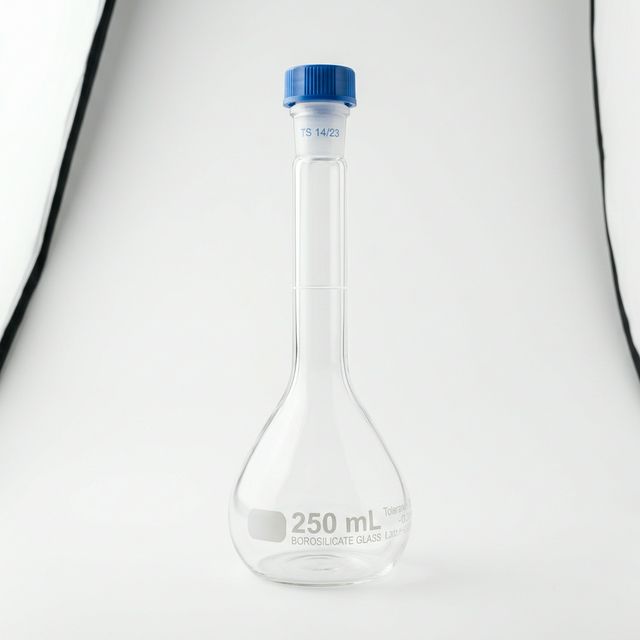
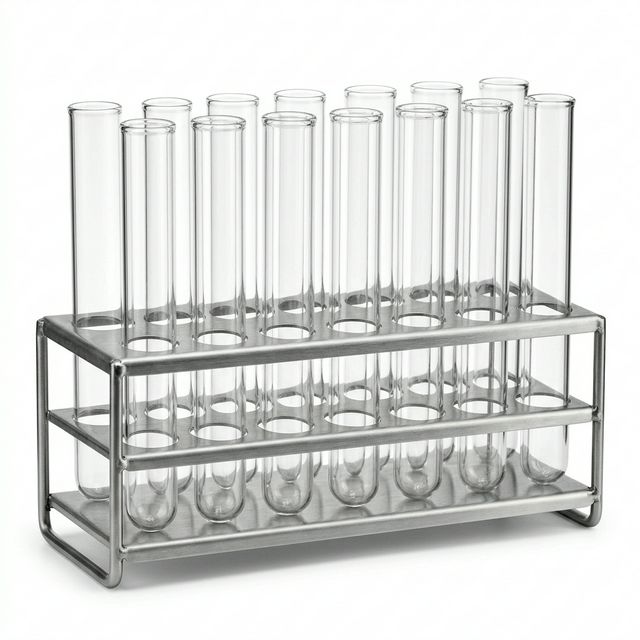
White-label glassware for measuring, mixing, culturing, and routine sample handling. This collection covers beakers, flasks, graduated cylinders, and test tubes across common materials and capacities used by research, QC, and teaching laboratories.
Related Guides
Category FAQ
Common buying and handling questions for glassware used in sourcing, routine lab setup, and application planning.
What glass type is commonly used for laboratory beakers and flasks?
Borosilicate glass is the most common choice because it handles routine heating, thermal shock, and many laboratory chemicals better than soda-lime glass.
How should buyers choose the right glassware capacity?
Match the nominal capacity to the normal working volume instead of the maximum fill line. That leaves headspace for mixing, heating, and safer pouring.
Can borosilicate glassware be autoclaved?
Yes. Borosilicate glassware is typically suitable for standard autoclave cycles, but users should confirm stopper, cap, and accessory compatibility before sterilization.
When should a lab use volumetric glassware instead of general-purpose beakers?
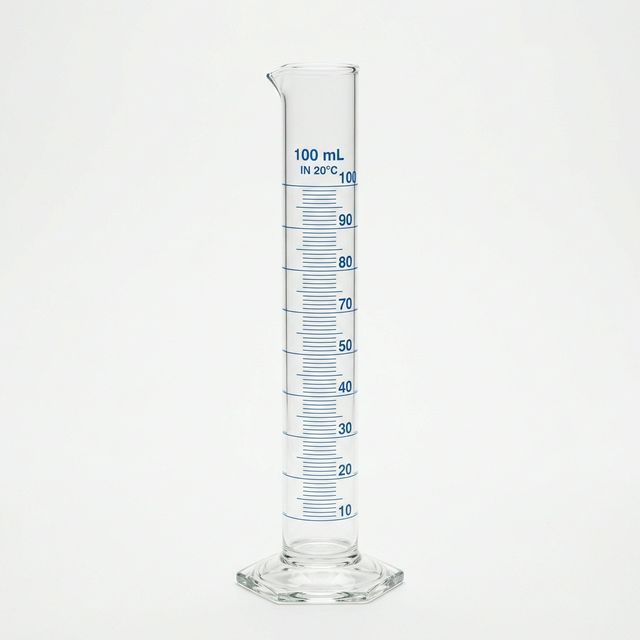
Use volumetric flasks, graduated cylinders, or other calibrated measuring vessels when fill accuracy matters. General-purpose beakers are better for mixing, heating, and transfer steps.
What is the recommended way to clean laboratory glassware?
Rinse residues promptly, use a detergent or solvent compatible with the sample, and inspect for scratches or chips before reuse. Measurement glassware should be fully dry and residue-free before critical work.
Need Help Choosing?
Share your application and quantity targets and we will help you review the most relevant options.